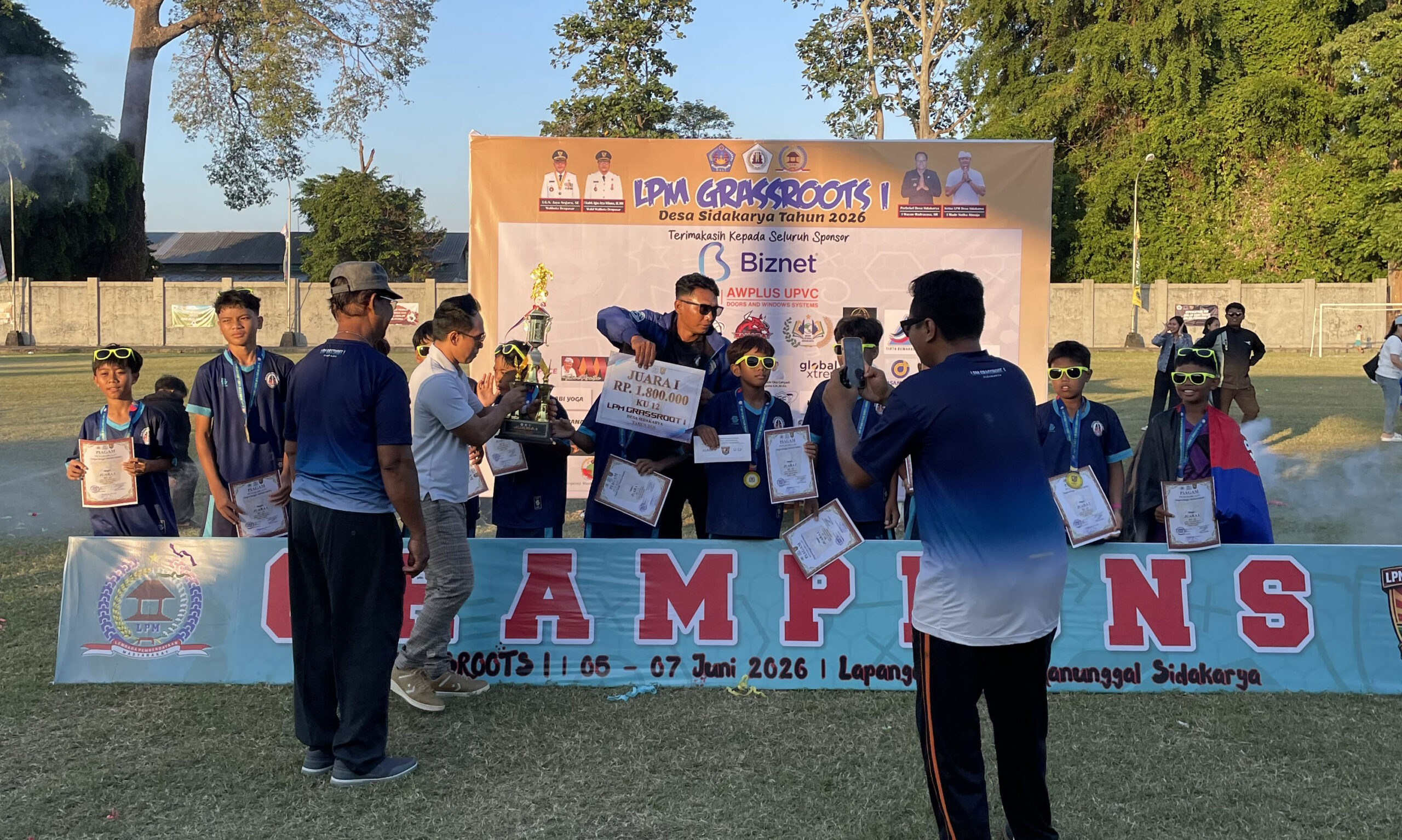
Introduction: Why Early Age Football Training Matters
Early age football schools, often known as youth soccer academies, play a crucial role in shaping the foundation of a player’s future. At this stage, children are not only learning how to play football but also developing coordination, discipline, teamwork, and confidence. The training materials used in these programs must be carefully designed to match their physical and mental development.
A well-structured youth football curriculum focuses on fun, safety, and fundamental skill-building rather than competition and pressure. This approach ensures long-term athlete development and keeps young players motivated.
1. Core Objectives of Early Age Football Training
Before selecting training materials, it is important to understand the main objectives of youth football education:
- Developing basic motor skills (running, jumping, balancing)
- Introducing football fundamentals (dribbling, passing, shooting)
- Building teamwork and communication
- Encouraging discipline and fair play
- Creating a love for the game
At this stage, the goal is not performance excellence but foundational growth.
2. Essential Training Materials for Youth Football Schools
To run an effective early age football program, coaches need appropriate tools and equipment. Below are the most commonly used training materials:
a. Footballs (Size 3 and Size 4)
Smaller balls are easier for children to control.
- Age 6–8: Size 3
- Age 9–12: Size 4
These balls help improve coordination and ball mastery.
b. Cones and Markers
Cones are essential for creating drills and training zones. They are used for:
- Dribbling courses
- Agility training
- Game boundaries
- Skill challenges
Bright-colored cones improve visibility and engagement for kids.
c. Training Bibs (Vests)
Training bibs help divide players into teams during practice games. They encourage:
- Team identification
- Organized gameplay
- Tactical awareness
e. Agility Ladders and Hurdles
These tools improve physical coordination:
- Foot speed
- Balance
- Body control
- Reaction time
They are especially useful in warm-up sessions.
. Training Poles and Slalom Sticks
Used for advanced dribbling exercises, helping players:
- Improve ball control under pressure
- Enhance agility and direction changes
g. Coaching Boards
Tactical boards help coaches explain:
- Game positions
- Movement patterns
- Simple strategies
Visual learning is very effective for children.
h. Stopwatch and Training Apps
Time management is important in youth training sessions:
- Track drills duration
- Improve performance consistency
- Maintain session structure
3. Types of Training Sessions for Early Age Players
Training materials are most effective when used in structured sessions. A typical youth football session includes:
1. Warm-Up Activities (10–15 minutes)
- Light running
- Ball familiarization
- Fun games
2. Technical Skills Training (20–30 minutes)
- Dribbling exercises
- Passing drills
- Shooting practice
3. Small-Sided Games (20–30 minutes)
- 2v2, 3v3, or 5v5 matches
- Focus on decision making and teamwork
4. Cool Down (10 minutes)
- Stretching
- Light discussion
- Feedback from coach
4. Key Principles in Youth Football Development
To ensure effective training, coaches should follow these principles:
Fun First Approach
Children learn best when they enjoy the game. Training should feel like play.
Maximum Ball Contact
Each player should have frequent interaction with the ball during drills.
Equal Participation
All players should be actively involved, not just waiting in lines.
Positive Coaching
Encouragement is more effective than criticism at this stage.
Progressive Learning
Skills should gradually increase in difficulty based on age and ability.
5. Age-Based Training Focus
U6 – U8 (Foundation Stage)
- Basic movement skills
- Simple ball control
- Fun-based games
U9 – U10 (Learning Stage)
- Dribbling and passing
- Introduction to team play
- Small tactical awareness
U11 – U12 (Development Stage)
- Ball control under pressure
- Position understanding
- Structured small-sided games
6. Benefits of Proper Training Materials in Youth Football
Using the right equipment and structured training methods provides many benefits:
- Faster skill development
- Better coordination and agility
- Increased confidence
- Stronger teamwork skills
- Long-term love for football
Proper materials also reduce injury risks and improve training efficiency.
Conclusion
Early age football schools are the foundation of future professional players. The success of these programs depends heavily on the quality of training materials and coaching methods. By using appropriate equipment such as size-adjusted footballs, cones, agility tools, and mini goals, coaches can create a fun, safe, and effective learning environment.
When training is structured correctly and focused on enjoyment, young players not only improve their football skills but also develop important life values such as discipline, teamwork, and confidence.